









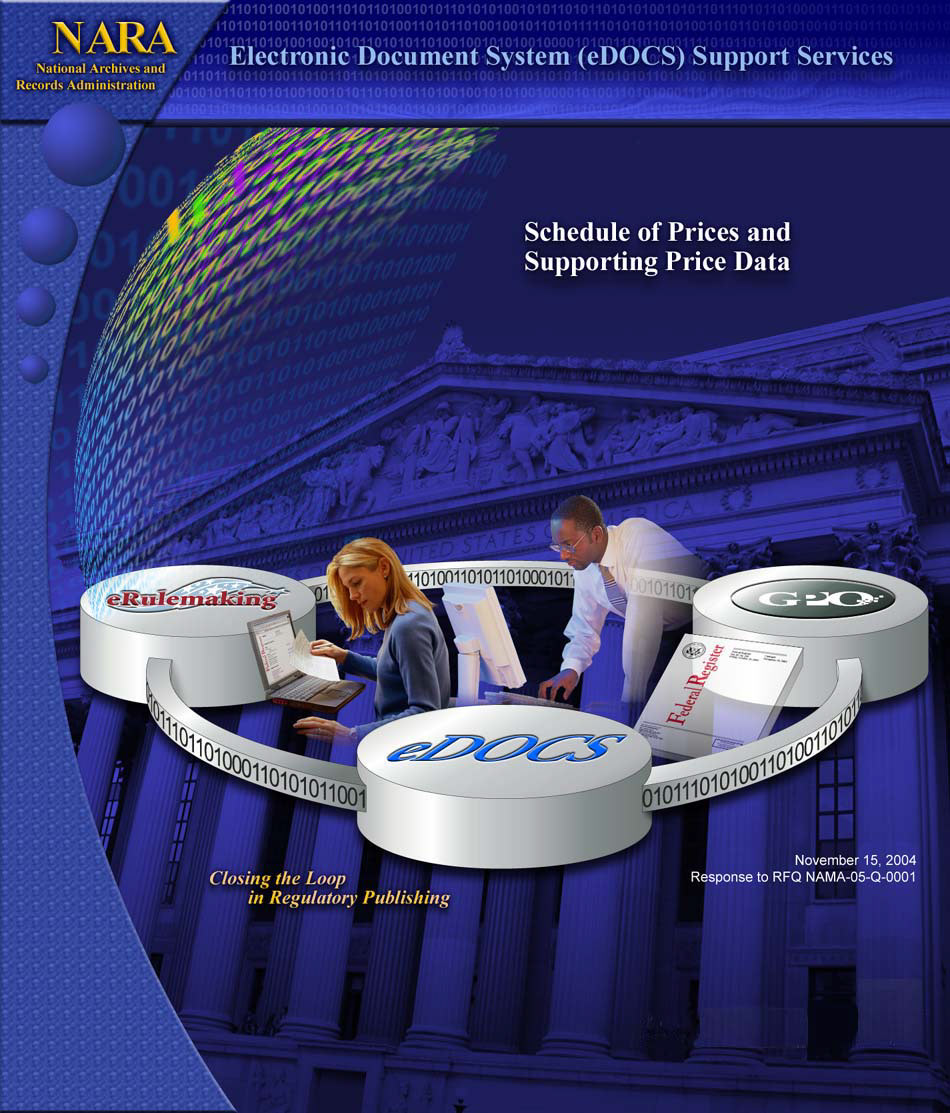
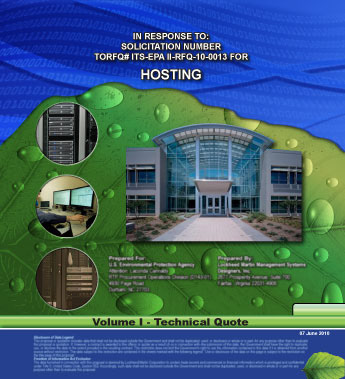




Your proposal cover should not an afterthought or just a window dressing. But instead, think of a cover as the first impression your company makes to an evaluator. What does a cover provide? Compliance and information. Some requests for proposals (RFPs) may have specific requirements for cover content, so compliance is a priority. If there are no requirements, this is still where you put information on your company, the contact receiving the proposal, the name of the agency or organization soliciting the work, the date, the number and name of the solicitation, and most importantly contact information. Put the name of the highest-level person of your company authorized to negotiate along with their phone and email address. Make it easy for the government representative to reach out if they need to. Your company branding, your logo, color palette, and aesthetics are on display on the cover which will help establish your design for the rest of the proposal. Your understanding of the work and the client.Your choice of photos or other design elements sets the theme for your proposal. What mission will you support? Whom will you be helping? What tasks will you be performing? Customizing a cover for each bid is an easy way to show the customer you’re already thinking about them, not just repurposing a template.